
Cafeteria POS Software in the UAE: Subsidised Meals, Cashless Payments and Peak Rush Speed
August 29, 2026
How Laundry POS Software Prevents Lost Garments and Missed Deliveries
September 3, 2026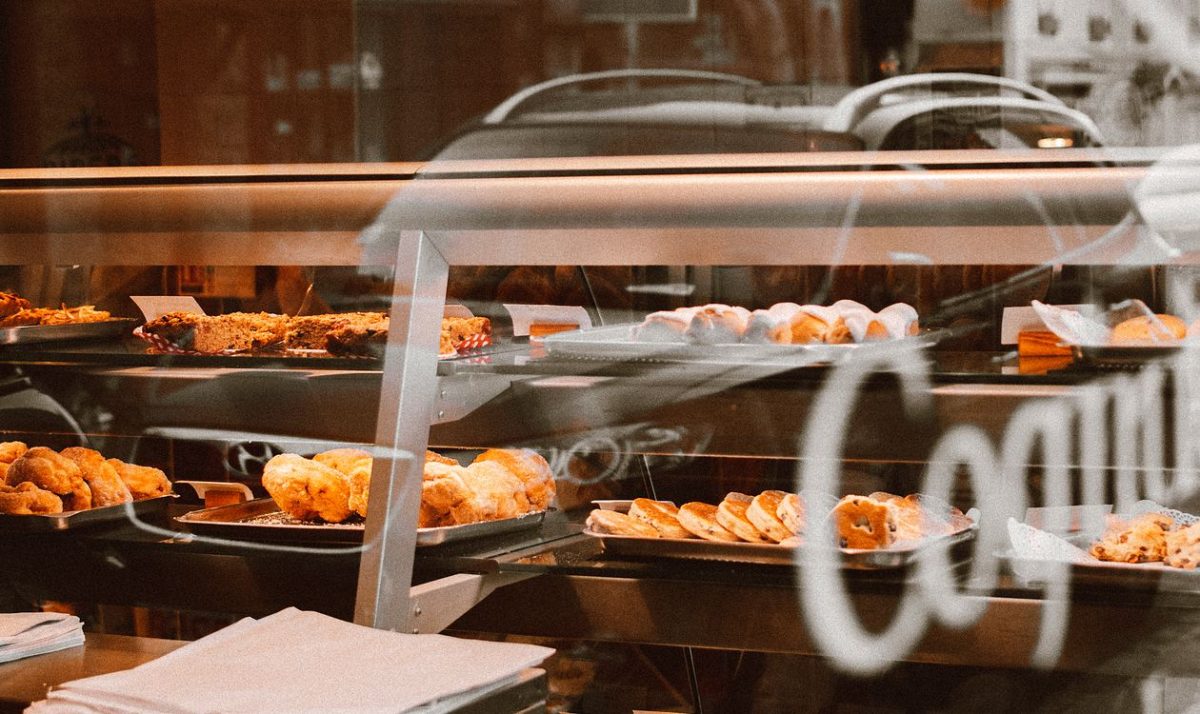
A bakery makes its product before it knows how much it will sell. Bread, croissants and pastries are baked in the early hours against a forecast, and by evening whatever hasn’t sold is either discounted or thrown away. That single fact shapes everything about how a bakery operates, and it’s why a standard retail till struggles here. A shop selling shoes doesn’t lose its stock overnight. A bakery does, every single day.
Waste is only half the problem. The other half arrives at the counter as a customer ordering a three-tier wedding cake for a date two weeks away, with a deposit, a written specification and a collection time. Purpose-built bakery POS software exists because those two pressures, daily perishability and forward-dated custom orders, pull in opposite directions and neither fits an ordinary shop till.
Table of Contents
Why Bakeries Sit Between Retail and Food Service
A bakery is genuinely two businesses running from one counter. On one side it behaves like a retail shop: customers walk in, pick items off a display, and pay per piece. On the other it behaves like a production kitchen with a manufacturing schedule, ingredient consumption and same-day expiry. Most POS systems are built for one of those models, not both at once, and the gap shows up quickly in the everyday assumptions the software makes.
| What a standard retail POS assumes | What a bakery actually needs |
|---|---|
| Stock arrives from a supplier | Stock is produced in-house each morning |
| Unsold stock stays sellable | Unsold stock expires within a day |
| Every item has a fixed unit price | Some items priced per piece, others by weight |
| Sales happen at the moment of purchase | Custom cakes are ordered days ahead with a deposit |
| Reordering is based on stock levels | Production is based on forecast demand |
Daily Production Planning and Forecasting
The single most valuable thing a bakery POS provides is an accurate answer to the question “how much should we bake tomorrow?” Sales history broken down by product, day of week and season turns that from a baker’s instinct into something measurable. Fridays and weekends behave differently from midweek mornings, and Ramadan, Eid and public holidays shift demand patterns considerably in the UAE market.
The value compounds over time. A bakery that has been recording sales properly for a year knows roughly how many croissants a rainy Tuesday in January sells compared with a Saturday in October, and can adjust the morning bake accordingly instead of defaulting to the same quantity every day regardless of conditions.

Recipe-level ingredient tracking supports this from the supply side, deducting flour, butter, sugar and other inputs as products sell so the system maintains a running picture of what’s left. That makes ordering from suppliers a calculation rather than a guess, which matters when a shortage of one core ingredient can halt production entirely. It also surfaces the quieter problem of portion drift, where the amount of an ingredient actually used gradually diverges from what the recipe specifies.
Key takeaway
In a bakery, waste is decided at 4am, not at closing time. Better forecasting from sales history cuts more cost than any end-of-day discounting strategy ever will.
Custom Cake Orders and Deposits
Custom cakes are where an ordinary till breaks down completely. A birthday or wedding cake order involves a future collection date, a written specification covering flavour, size, tiers and inscription, a partial deposit taken now, and a balance due on collection. Handling that in a notebook beside the till is how details get lost and collection dates get missed.
Bakery POS software records the full order specification against a customer record, takes and tracks the deposit as a separate transaction from the final balance, and keeps a forward-looking calendar of what needs to be produced for which day. Staff can see at a glance what’s due for collection tomorrow rather than reconstructing it from paper slips.
That forward calendar matters for production planning too. A Saturday with six wedding cakes booked needs a very different kitchen schedule and ingredient order than a Saturday with none, and knowing that a week ahead is the difference between a manageable day and an overwhelming one.
Still tracking cake orders in a notebook?
Tell us how your bakery handles pre-orders today and we will show you what the same workflow looks like inside a proper POS.
Book a Free DemoWeight-Based and Per-Piece Pricing
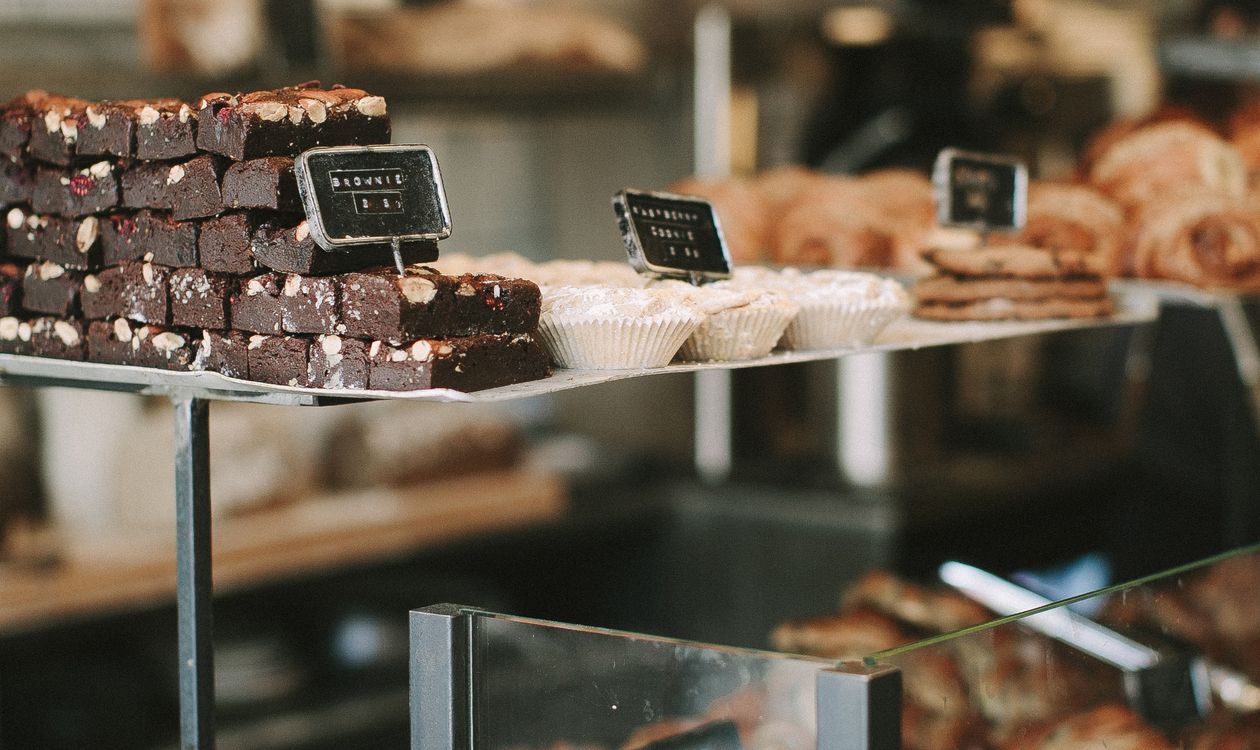
Bakeries commonly price the same category of product in two different ways. A croissant is sold per piece, while a mixed box of baklava, cookies or Arabic sweets is priced by weight at the counter. The POS needs to handle both in the same transaction without the cashier switching between systems or calculating anything manually.
Integrated weighing scales handle the weight-based side automatically, calculating price from the per-kilogram rate the moment an item is placed on the scale. This is the same principle covered in our guide to supermarket POS and weighing scale integration, applied to a smaller counter with a much higher share of mixed-weight purchases.
Mixed boxes add a further wrinkle. When a customer fills a box with several different sweets that carry different per-kilogram rates, the system needs to price each component correctly rather than applying one blended rate to the whole box, which is exactly the kind of calculation that gets rounded off or guessed at when it’s done by hand during a busy period.
End-of-Day Markdowns and Waste Tracking
Most bakeries discount unsold stock in the final hour or two of trading rather than write it off entirely. Applying that automatically, a set percentage off specific categories after a certain time, removes the need for staff to remember which items are discounted and by how much, and keeps the markdown recorded properly rather than as an untracked manual override.
Recording what actually goes to waste matters just as much. A daily waste log by product, captured in the system rather than estimated later, is what feeds back into the production forecast and gradually tightens it over weeks and months. Without that record, a bakery can discount aggressively every evening for years without ever learning which products are consistently over-produced in the first place.
Allergen Information and Ingredient Records
Bakery products routinely contain the most common allergens, including wheat, eggs, dairy and nuts, and customers increasingly ask about them directly at the counter. Keeping allergen and ingredient data attached to each product record means any staff member can answer accurately rather than guessing or fetching someone from the kitchen.
This also supports compliance with UAE food safety requirements, since accurate product and ingredient records are far easier to produce during an inspection when they live in the system rather than in a separate binder that may or may not be current.
Key takeaway
The two features that separate a bakery POS from a general retail till are production forecasting and custom order management. Everything else is comparatively standard.
Conclusion
A bakery has to decide its stock levels before the day starts and live with that decision until closing. Purpose-built bakery POS software makes that decision better informed through sales history and forecasting, handles the custom order side that a normal till can’t touch, supports both per-piece and weight-based pricing at one counter, and keeps waste and allergen records where they can actually be used. For UAE bakeries and patisseries, that combination is what turns daily guesswork into something closer to a repeatable process, and it compounds: every month of accurate data makes the next month’s forecast a little sharper.
Frequently Asked Questions
1. How does a bakery POS help with daily production planning?
It uses historical sales by product, day and season to indicate expected demand, so baking quantities are based on real patterns rather than instinct.
2. Can the system take deposits for custom cake orders?
Yes, a deposit is recorded as a separate transaction against the order, with the outstanding balance tracked until collection.
3. Does bakery POS software support weight-based pricing?
Yes, integrated scales calculate price automatically from a per-kilogram rate, and weighed items can be sold alongside per-piece items in one transaction.
4. How are end-of-day discounts handled?
Time-based discount rules can apply automatically to chosen categories after a set hour, so markdowns are consistent and properly recorded.
5. Can a bakery POS track allergen information per product?
Yes, allergen and ingredient details can be stored against each product record so staff can answer customer questions accurately at the counter.
Baking to a guess every morning? Explore iTudeTech‘s bakery POS software or get in touch with our team to see how it fits your production and counter.