
Table Turnover: How to Serve More Covers Without Rushing Guests
September 11, 2026How to Verify Your WoW Powerleveling Service: A Step‑by‑Step Guide
September 12, 2026
Closing a restaurant should take fifteen minutes. In plenty of places it takes an hour, most of it spent working out why the cash drawer and the system disagree by forty dirhams, or why the card machine’s total doesn’t match what the POS says was taken on card. Nobody enjoys that hour, and the awkward part is that it usually ends the same way: someone writes off the difference and everyone goes home.
Those discrepancies almost never originate at closing time. They’re created during service, by how payments were taken and recorded, and they simply surface at the end. Getting the payment side of a restaurant POS system configured properly is what turns closing from an investigation into a formality.
Table of Contents
Why Closing Takes Longer Than It Should
Three things create most closing problems, and all three happen during service. Payments recorded against the wrong tender type, so a card payment logged as cash guarantees a mismatch in both directions. Shared logins, so when something is wrong there’s no way to tell whose till it was. And manual card machines operating separately from the POS, where a staff member keys the amount in by hand and a mistyped digit goes unnoticed until the totals are compared hours later.
None of these are dishonesty. They’re process gaps, and each one is fixable before the shift starts rather than after it ends.
Handling Split Bills Without Creating Chaos
Split payments are the most common source of recording errors, because a single table becomes several transactions in quick succession while people crowd the till. A group of six paying with three cards and some cash is four separate records that all have to land correctly against one bill.
The POS needs to handle three split types cleanly: evenly across the party, by specific items, and by arbitrary amounts where someone offers to cover a fixed sum. It also needs to show a running balance of what’s still outstanding on the bill, because that running figure is what prevents a table being closed while one person’s share is still unpaid. Without it, the shortfall only appears at closing as an unexplained gap.
Cards, Wallets and Integrated Terminals
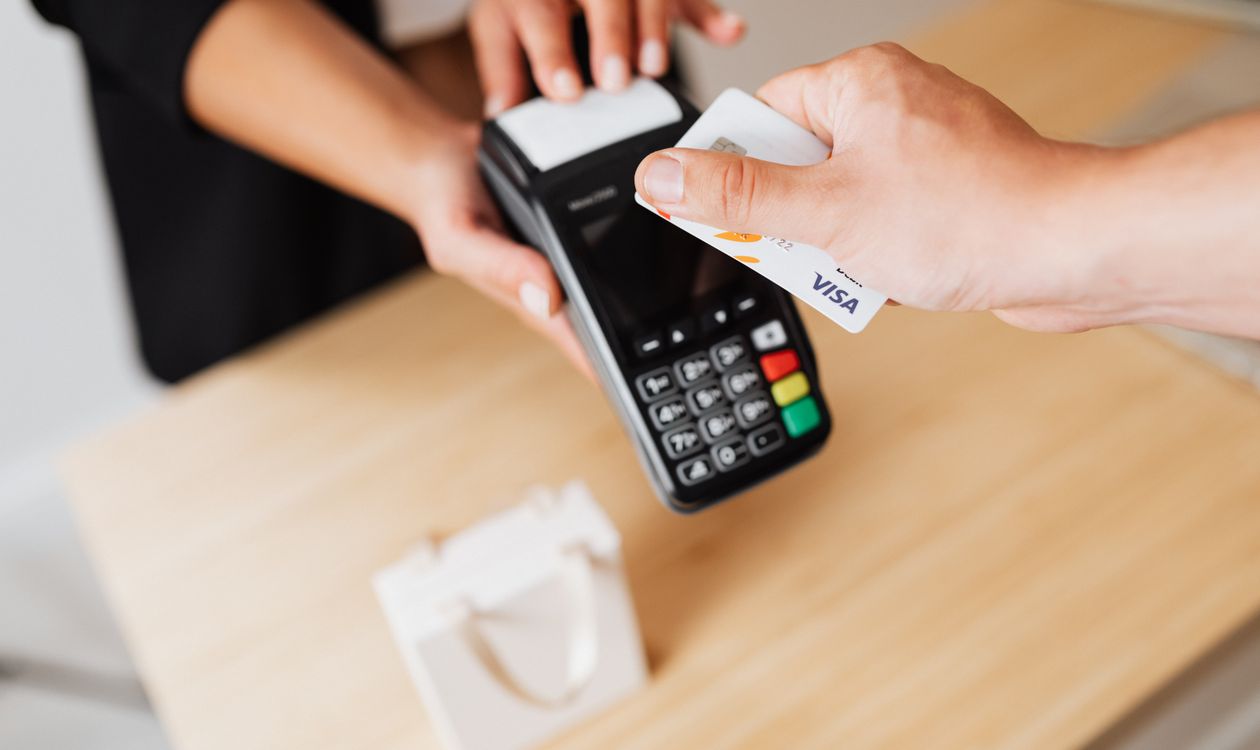
The distinction that matters most here isn’t which cards you accept, it’s whether the card terminal talks to the POS or sits beside it. With a standalone terminal, a staff member reads the amount off the POS and types it into the machine. That single manual step is where transposed digits, double charges and forgotten transactions come from.
An integrated terminal receives the amount directly from the POS and sends the approval back, so the sale can’t be marked paid unless the payment actually succeeded. It removes the keying error entirely, and it means card totals reconcile automatically rather than being compared by hand at the end of the night. With UAE guests routinely paying by contactless card or phone wallet, that integration carries most of the payment volume in many restaurants.
Key takeaway
If staff type amounts into a card machine by hand, you will have variances. Integration removes the manual step that creates most of them.
Why Cash Still Needs a Proper Process
Cash is a shrinking share of restaurant revenue but a disproportionate share of closing problems, because it’s the only tender that can physically go missing. The controls that matter are unglamorous: a counted opening float, individual staff logins so every drawer movement is attributed, and a blind count at close where the person counting doesn’t see the expected figure first.
That last one does more than it sounds. If the counter can see what the total should be, small discrepancies tend to get quietly reconciled rather than recorded, and you lose the data that would have shown you a pattern. Recording the variance honestly every day is what makes an unusual one visible.
Reading the End-of-Day Report
The closing report exists to answer one question: does what the system recorded match what you physically hold? Everything on it is a version of that comparison.
| Check | Compare against | A mismatch suggests |
|---|---|---|
| Cash in drawer | Expected cash after float | Change errors or wrong tender type |
| Card total | Terminal batch total | Manual keying or an unrecorded sale |
| Open tables | Should be zero at close | A bill never settled or closed |
| Voids and discounts | Your normal daily range | Worth reviewing who authorised them |
| Delivery app sales | Aggregator dashboards | Orders missing from one system |
Open tables deserve particular attention, because an unsettled bill at close usually means either a walkout or a payment taken and never recorded. Both matter, and they need different responses.
How long does closing take at your restaurant?
Tell us how your team handles cash counts, card totals and delivery reconciliation, and we will show you where the time is going.
Book a Free DemoSettlement, Fees and When Money Arrives
A card payment approved at the table is not money in your account. It’s an authorisation, batched with the day’s other transactions and sent for settlement, after which the funds reach your bank following a delay set by your acquirer’s terms. This is why the amount landing in the account is rarely the amount shown on the POS.
Two things cause that difference. Timing, because the deposit may cover a different day’s trading than you’re looking at, and processing fees, which are often deducted before the money arrives rather than billed separately. Owners comparing a bank statement to a POS total without accounting for both usually conclude something is wrong when nothing is.
Delivery platforms work on their own cycle again, typically settling on a longer schedule with commission already deducted, which is why aggregator revenue should be reconciled against their statements rather than expected to match daily POS figures. Connecting the POS to accounting software keeps all three streams flowing into the same ledger instead of being stitched together manually at month end.
Key takeaway
Your bank deposit is not meant to match your POS total. Settlement timing and deducted fees explain most of the difference, and neither is an error.
Conclusion
A clean close is built during service, not after it. Split bills recorded properly, card terminals integrated so no one types an amount by hand, individual logins that attribute every drawer movement, and a blind count that captures the truth rather than the expected figure. Get those right and the end-of-day report becomes a two-minute confirmation instead of an hour of detective work, and the variances that do appear are worth investigating because they’re genuinely unusual.
Frequently Asked Questions
1. What causes most till variances in a restaurant?
Usually payments recorded against the wrong tender type or change given incorrectly during a rush, rather than anything deliberate.
2. Should every staff member have their own till login?
Yes. Shared logins make it impossible to trace where a discrepancy came from, which removes most of the value of tracking variances at all.
3. What is an acceptable level of cash variance?
Small daily differences are normal in any cash operation. What matters is whether they stay within your usual range and whether they cluster around particular shifts or staff.
4. Why doesn’t my bank deposit match my daily card total?
Settlement timing and processing fees. The deposit may cover a different trading day and often arrives with fees already deducted.
5. Is an integrated card terminal worth it for a small restaurant?
Generally yes, because the time saved reconciling and the keying errors avoided tend to matter even at modest transaction volumes.
Want closing to take minutes instead of an hour? Explore iTudeTech‘s restaurant POS software or get in touch with our team to review how your payments and settlement are set up.