Food Truck POS Software in the UAE: Offline Reliability, Compact Hardware and Mobile Payments
August 27, 2026
Cafeteria POS Software in the UAE: Subsidised Meals, Cashless Payments and Peak Rush Speed
August 29, 2026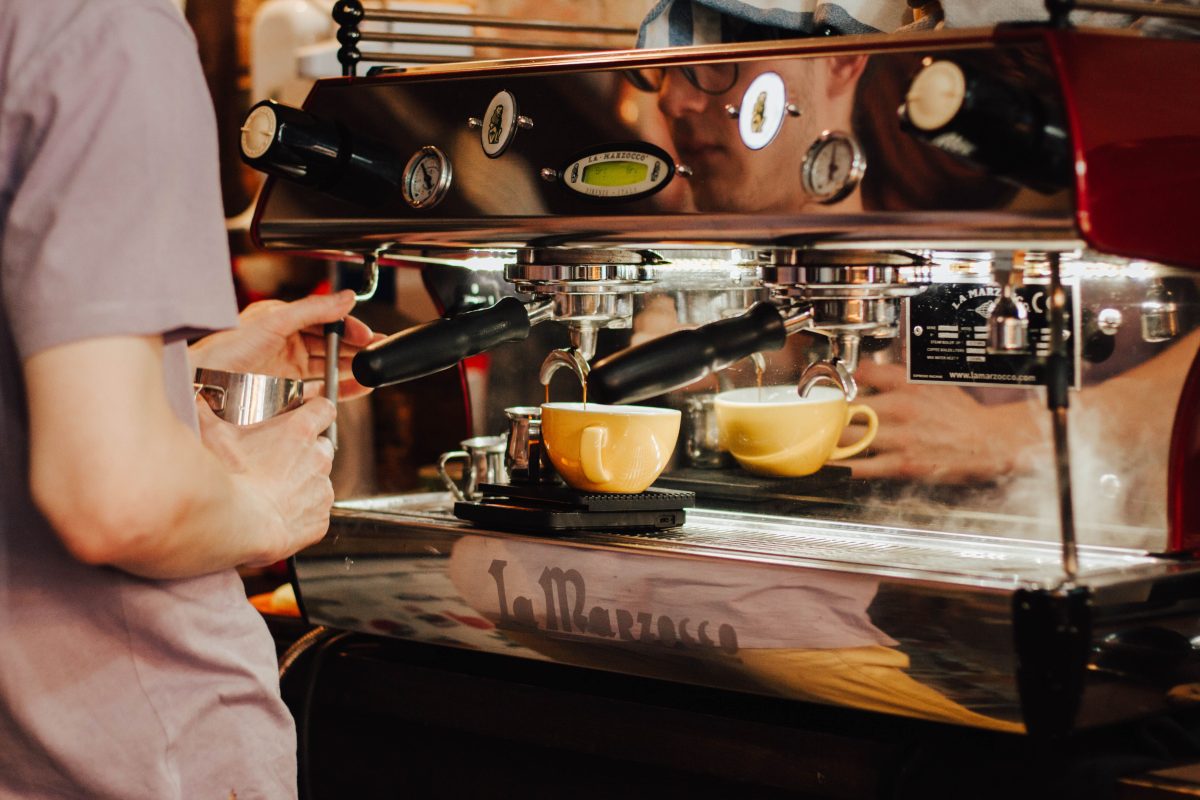
A coffee shop lives and dies on the morning rush. Between roughly seven and ten, a queue forms that barely lets up, and every order in it is different: an oat flat white with an extra shot, a decaf cappuccino at half sugar, an iced latte with vanilla syrup and no whipped cream. Each of those is a separate drink build the barista has to get exactly right, entered at speed, while ten more people wait. A general restaurant till, designed around tables and courses, slows that flow down badly. Coffee shop POS software is built around the opposite priority: getting a highly customised drink order entered, paid for and onto the bar in seconds.
Here’s what that means in practice for a café or coffee shop in the UAE.
Table of Contents
Why Coffee Shops Have Different POS Needs
The economics of a coffee shop are unusual. Individual transaction values are low, often a single drink and maybe a pastry, but transaction frequency is extremely high, and a large share of customers come back several times a week rather than once a month. That combination changes what matters in a POS. Table management is largely irrelevant, but order entry speed, modifier handling and repeat-customer recognition become central rather than nice-to-have.
There’s also the fact that the product itself is assembled to order from a small set of shared ingredients. A café might sell forty different drinks that all draw on the same handful of milks, beans and syrups, which makes ingredient-level tracking behave very differently from a restaurant kitchen with distinct dishes.
Drink Modifiers and Custom Builds
Modifiers are the single most important feature in a coffee shop POS. A single latte order might carry four or five separate modifications: milk type, size, shot count, syrup, temperature, sweetness level. Each needs to be a fast, structured selection rather than a typed note, both so it can be entered quickly and so it travels to the barista exactly as the customer said it.
Pricing needs to follow those modifiers automatically too. An extra shot, an alternative milk or a large size each carry their own upcharge, and calculating that manually at the till during a rush is where both errors and lost revenue creep in. When modifier pricing is built into the system, the total is always right without the cashier having to think about it.
Speed Through the Morning Rush
Peak-hour throughput is what separates a coffee shop that handles its rush from one that loses customers to the queue. A well-configured POS puts the most-ordered drinks on the front screen rather than buried in menu categories, so the majority of orders are two or three taps rather than a search. Saved favourites for regulars help further, letting a barista recall a known customer’s usual order in a single tap instead of re-entering six modifiers they’ve entered a hundred times before.
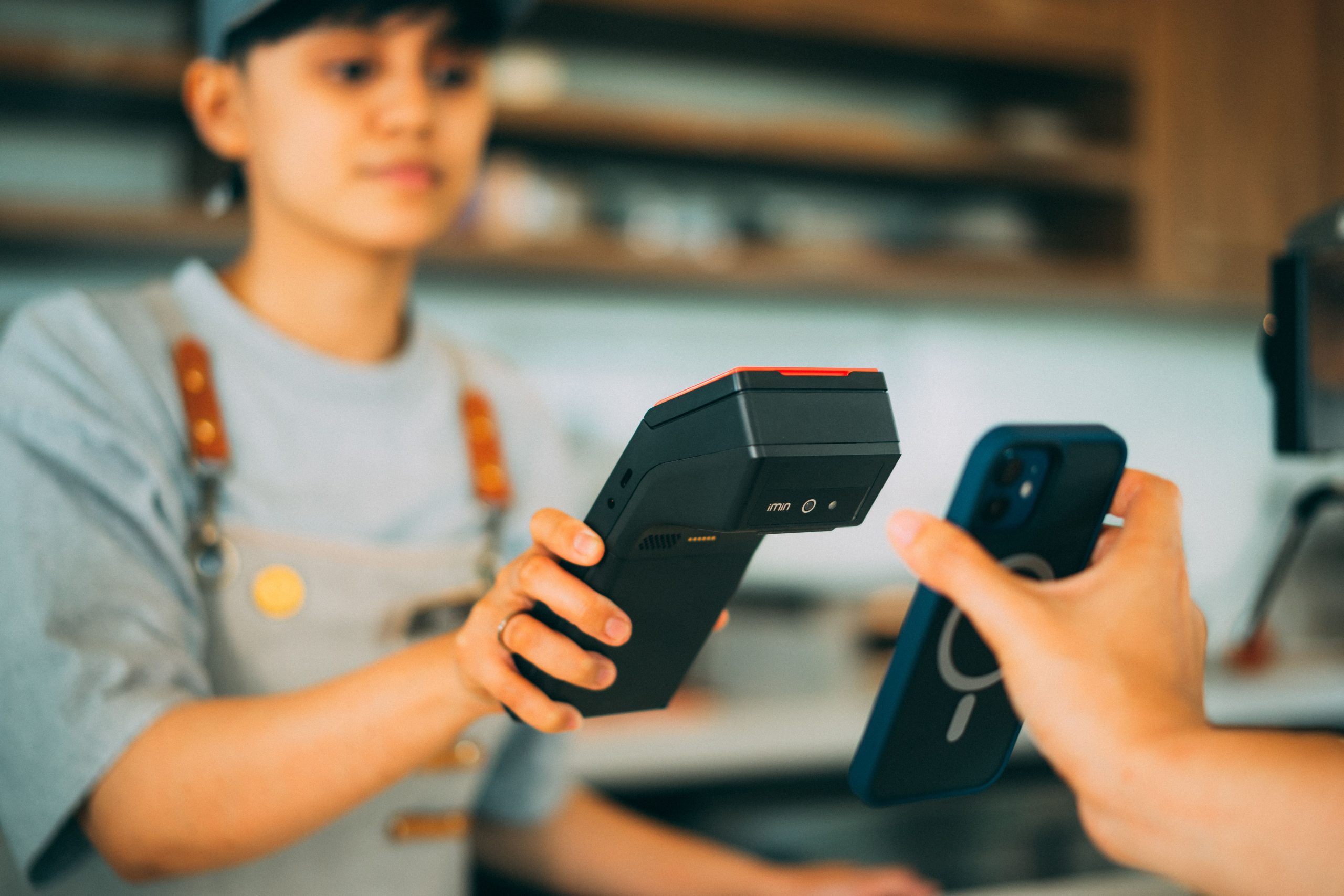
Payment speed matters just as much as order entry. Contactless card and digital wallet payments clear far faster than cash handling and change-counting, which compounds meaningfully when you multiply a few saved seconds across two hundred morning transactions.
Loyalty Programs Built for Daily Visits
Coffee is close to the ideal loyalty category, because the purchase frequency is high enough that a reward feels reachable within weeks rather than months. A digital punch card, a free drink after a set number of purchases, suits café habits better than a percentage-based points scheme, since customers can easily track progress toward something concrete.
Tying loyalty to a phone number rather than a physical card also means it works whether the customer orders at the counter or through an app, and it quietly builds a purchase history that shows which regulars have gone quiet and might be worth a win-back offer. This is the same principle covered in our guide to restaurant loyalty programs and repeat customer analytics, applied to a much higher-frequency visit pattern.
Tracking Milk, Beans and Syrup Consumption
Coffee shop inventory is deceptively tricky. Beans, milk and syrups are consumed in small quantities per drink but across hundreds of drinks a day, and several different menu items draw from the same containers simultaneously. Recipe-level tracking deducts the specific amount of each ingredient per drink sold, so the system knows roughly how much oat milk or vanilla syrup should be left without someone physically checking every fridge and shelf mid-shift.
This matters especially for alternative milks and specialty syrups, which are often more expensive and less frequently restocked than standard supplies. Running out of oat milk at 8am on a weekday is a genuine revenue problem in a market where a large share of orders specify it, and low-stock alerts are what prevent that from being discovered at the worst possible moment.
Mobile Ordering and Pickup Coordination
Mobile pre-ordering has become a normal expectation for commuters who want their drink ready when they arrive rather than queuing for it. For this to work, mobile orders need to land in the same queue as counter orders and be timed sensibly, since a drink made ten minutes before the customer arrives is a worse experience than one made on time.
A well-integrated cloud-based setup also gives multi-branch café groups visibility across every location at once, showing which branch handles the heaviest morning volume and where staffing or stock levels need adjusting. For a growing coffee brand, that comparison across sites is often what informs decisions about opening hours and shift patterns.
Conclusion
A coffee shop’s operational challenge is concentrated into a few hours a day, when a long queue of highly customised, low-value orders has to move quickly without mistakes. Purpose-built coffee shop POS software is designed around exactly that pressure: fast modifier handling, one-tap access to popular drinks, loyalty built for daily visitors, ingredient tracking across shared supplies, and mobile orders folded into the same flow. For UAE cafés, that combination is what keeps the morning rush moving and the regulars coming back.
Frequently Asked Questions
1. How many modifiers should a coffee shop POS handle per drink?
It should comfortably handle several at once, covering size, milk type, shot count, syrup and temperature, each with its own automatic pricing rule.
2. Does a small café really need a loyalty program?
Coffee’s high purchase frequency makes loyalty unusually effective, since rewards feel achievable quickly and regulars make up a large share of daily revenue.
3. Can the POS track milk and syrup usage accurately?
Yes, recipe-level tracking deducts the specific quantity used per drink, giving a running estimate of remaining stock without manual counting.
4. How does mobile pre-ordering affect the in-store queue?
Mobile orders enter the same kitchen queue as counter orders, so they’re timed alongside walk-ins rather than competing with them for barista attention.
5. Is coffee shop POS software different from restaurant POS software?
Yes, it prioritises modifier speed, repeat-visit loyalty and counter throughput over table management and course pacing, which matter far more in full-service dining.
Ready to speed up your morning rush? Explore iTudeTech‘s coffee shop POS software or get in touch with our team to see how it fits your café.